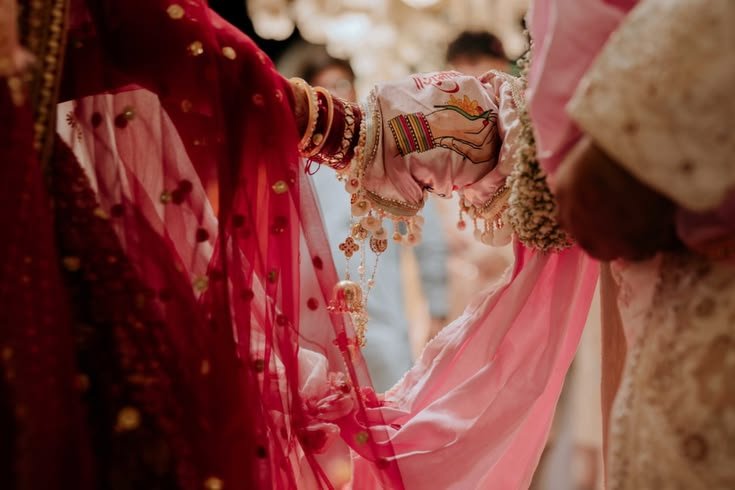
Wedding Photography | Candid Moments | Cinematic Storytelling
Every wedding I shoot tells a different story — but the rhythm of the day is always something I look forward to being part of. From the quiet, nervous energy of the morning to the loud, joyful chaos of the reception, a wedding day moves through so many emotional shifts. My job is to be there for all of them, camera ready, catching the moments before they disappear.
This is a walkthrough of what a typical wedding day looks like from behind my lens — and how the different sides of my work (weddings, prewedding shoots, candid photography, cinematic visuals, and even ad shoots) all come together to shape the final story I hand back to my couples.
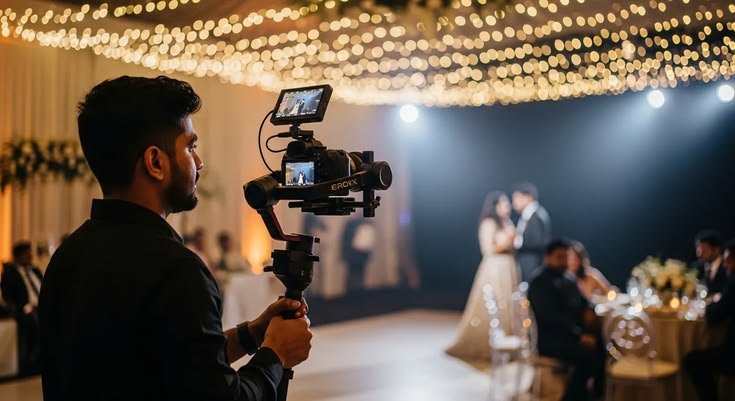
The Quiet Before the Celebration
The morning always starts quiet. I arrive early, long before most guests, while the house or hotel room is still calm. This is when I focus on candid photography — the unposed, unscripted details that end up meaning the most later.
A dress hanging by the window. Hands trembling while doing up buttons. A mother adjusting her daughter’s veil for the tenth time, not because it needs it, but because she’s not ready to stop touching her daughter’s face. Someone laughing at a joke nobody else heard.
These aren’t moments I direct. They’re moments I wait for. Candid photography is less about technical perfection and more about patience — staying alert, staying invisible, and trusting that the real moments will show up if you’re paying attention.
Building Toward the Big Moments
This part of the day is where light and composition matter most. I’m constantly reading the environment — where the sun is, how it’s falling on faces, whether a shaded corner will give softer skin tones than direct light. A great portrait isn’t luck; it’s a hundred small technical decisions made quickly, while still keeping the couple relaxed and present.
As the day builds, we shift into more directed segments. This is where the classic photoshoot portions come in — couple portraits, family groupings, bridal party shots. These are the images every family expects and treasures: the formal, composed photographs that will likely be printed, framed, and passed down.
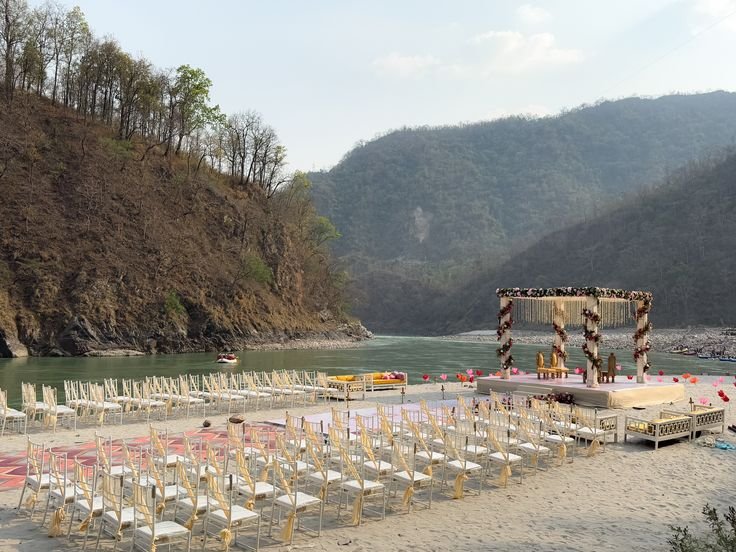
Why Prewedding Shoots Change Everything
If a couple has booked a prewedding shoot before the big day, it changes everything about how the wedding photos turn out. By the time the wedding arrives, I already know their comfort levels, their best angles, the way they laugh together, who tends to look at the camera and who forgets it’s even there.
That familiarity removes so much of the stiffness that can creep into wedding photography. Couples aren’t performing for the camera anymore — they’re just being themselves, and I already know how to catch that. It’s genuinely one of my favorite parts of the entire process, because it turns the wedding day shoot into something closer to documenting old friends rather than photographing strangers.
Thinking in Motion: The Cinematic Layer
Throughout the ceremony and reception, I’m blending traditional stills with a cinematic approach. This means thinking in movement, light, and emotional pacing — the way a filmmaker plans a scene — even though I’m working with a still camera.
It’s not just about freezing a single frame. It’s about composing a moment so that when someone looks at the photo years later, they can feel the motion that was happening around it — the swirl of a dress mid-twirl, the blur of hands raised in celebration, the exact second a father’s expression breaks during a speech.
This cinematic instinct is what turns a technically good photo into one that actually makes people feel something.